Lake · California
Alondra Park Lake Fishing
Alondra Park Lake is a lake in Los Angeles County, California. This guide includes fish species, stocking history, current fish-consumption advice and water-quality assessments.
Quick facts
- Location
- Los Angeles County, California
- Coordinates
- 33.8820, -118.3343
- Water type
- Lake
- Sunrise
- 14:28 UTC
- Sunset
- 00:48 UTC
- Day length
- 10.3 hours
Location map
Current fishing weather
Fish species
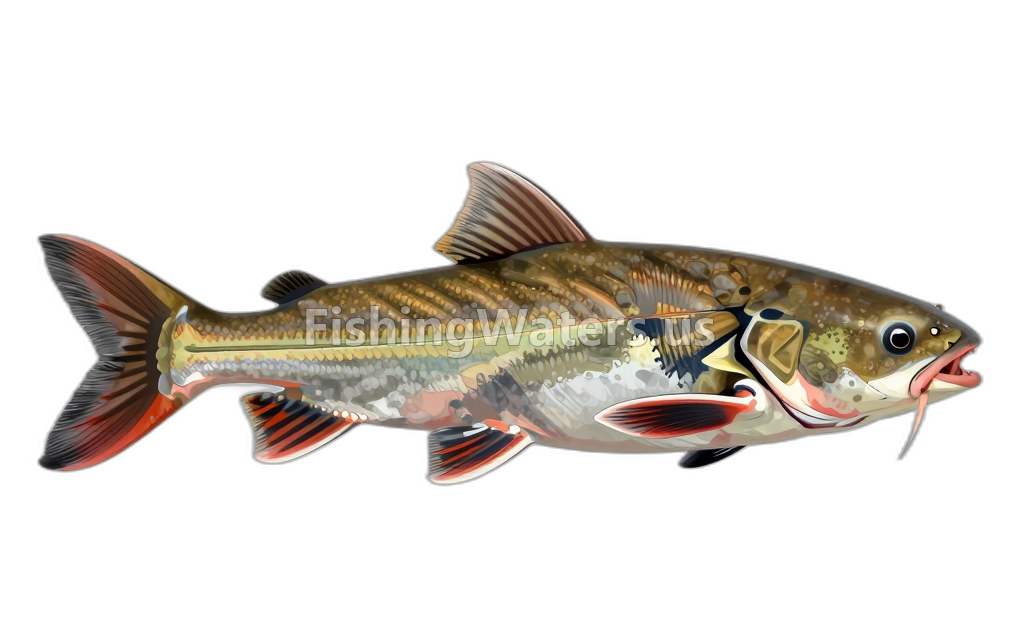
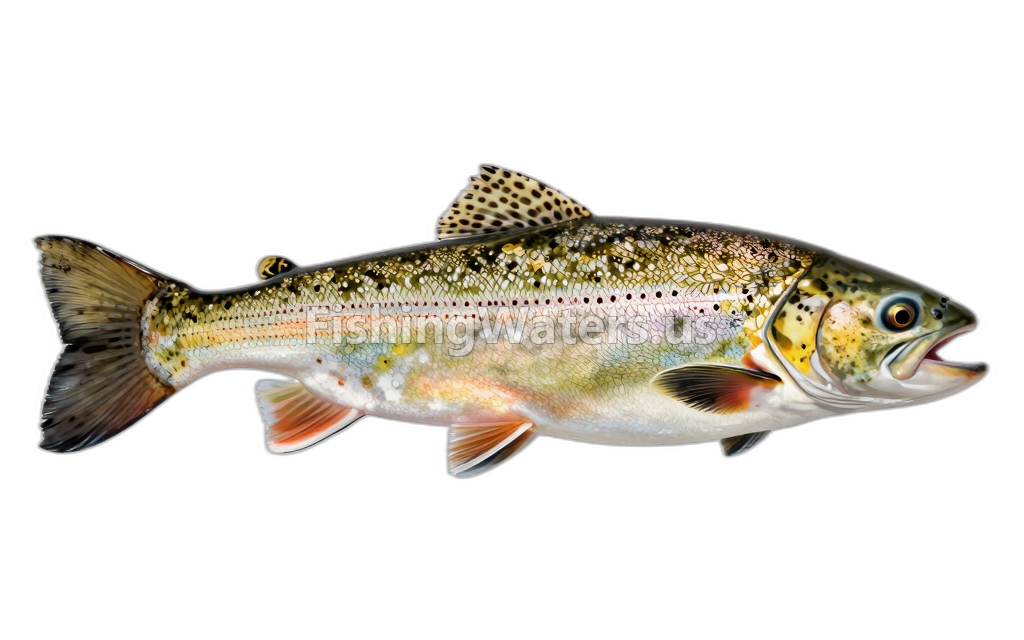
Stocking history
- Species
- Catfish
- Stocking date
- May 3, 2026
- Species
- Trout
- Stocking date
- Mar 22, 2026
- Species
- Trout
- Stocking date
- Mar 1, 2026
- Species
- Trout
- Stocking date
- Feb 8, 2026
- Species
- Trout
- Stocking date
- Jan 11, 2026
- Species
- Trout
- Stocking date
- Dec 7, 2025
Stocking data: California Department of Fish and Wildlife
Stocking records are historical and may not reflect current fish populations.
Current fish-consumption advice
Common Carp
1 serving(s) per week
For Women 50+ and men 18+
Contaminant: PCBs
Effective from Jan 1, 2020
View current official advisoryCommon Carp
1 serving(s) per week
For Women 18-49 and children 1-17
Contaminant: PCBs
Effective from Jan 1, 2020
View current official advisoryBass, Black
2 serving(s) per week
For Women 50+ and men 18+
Contaminant: Mercury
Effective from Jan 1, 2020
View current official advisoryBass, Black
1 serving(s) per week
For Women 18-49 and children 1-17
Contaminant: Mercury
Effective from Jan 1, 2020
View current official advisorySunfish Species
7 serving(s) per week
For Women 50+ and men 18+
Contaminant: Mercury
Effective from Jan 1, 2020
View current official advisorySunfish Species
5 serving(s) per week
For Women 18-49 and children 1-17
Contaminant: Mercury
Effective from Jan 1, 2020
View current official advisoryRecommendations can differ by species and population group. Follow the linked state guidance.
Water quality
EPA assessment information is available for this waterbody.
EPA assessment
Assessed area: 8.5 acres
View EPA assessmentEPA water-quality assessments are separate from fish-consumption advisories.
Sources
- California Department of Fish and Wildlife
- California Office of Environmental Health Hazard Assessment
- U.S. Environmental Protection Agency